
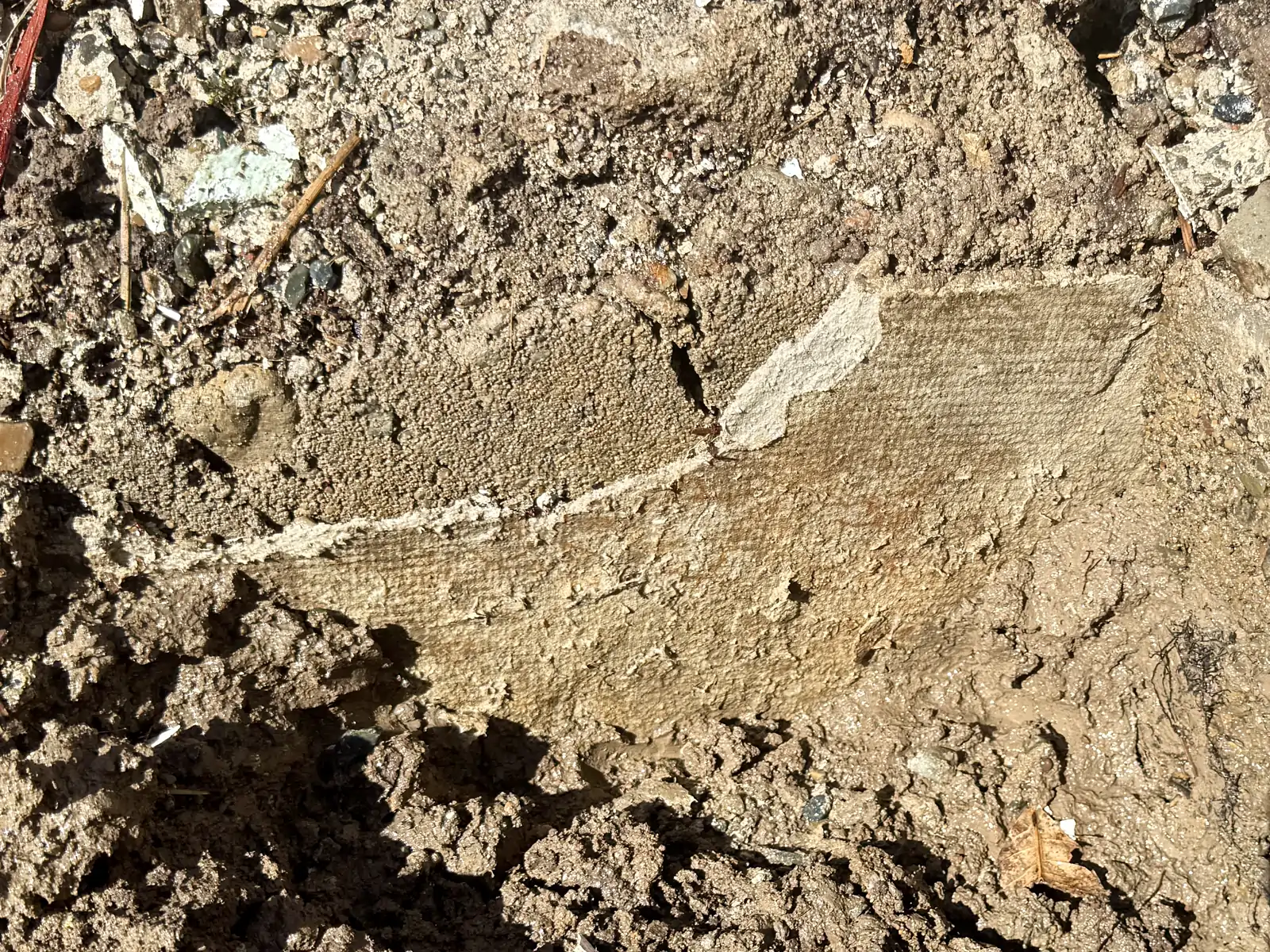
Asbestos in Soil & Remediation
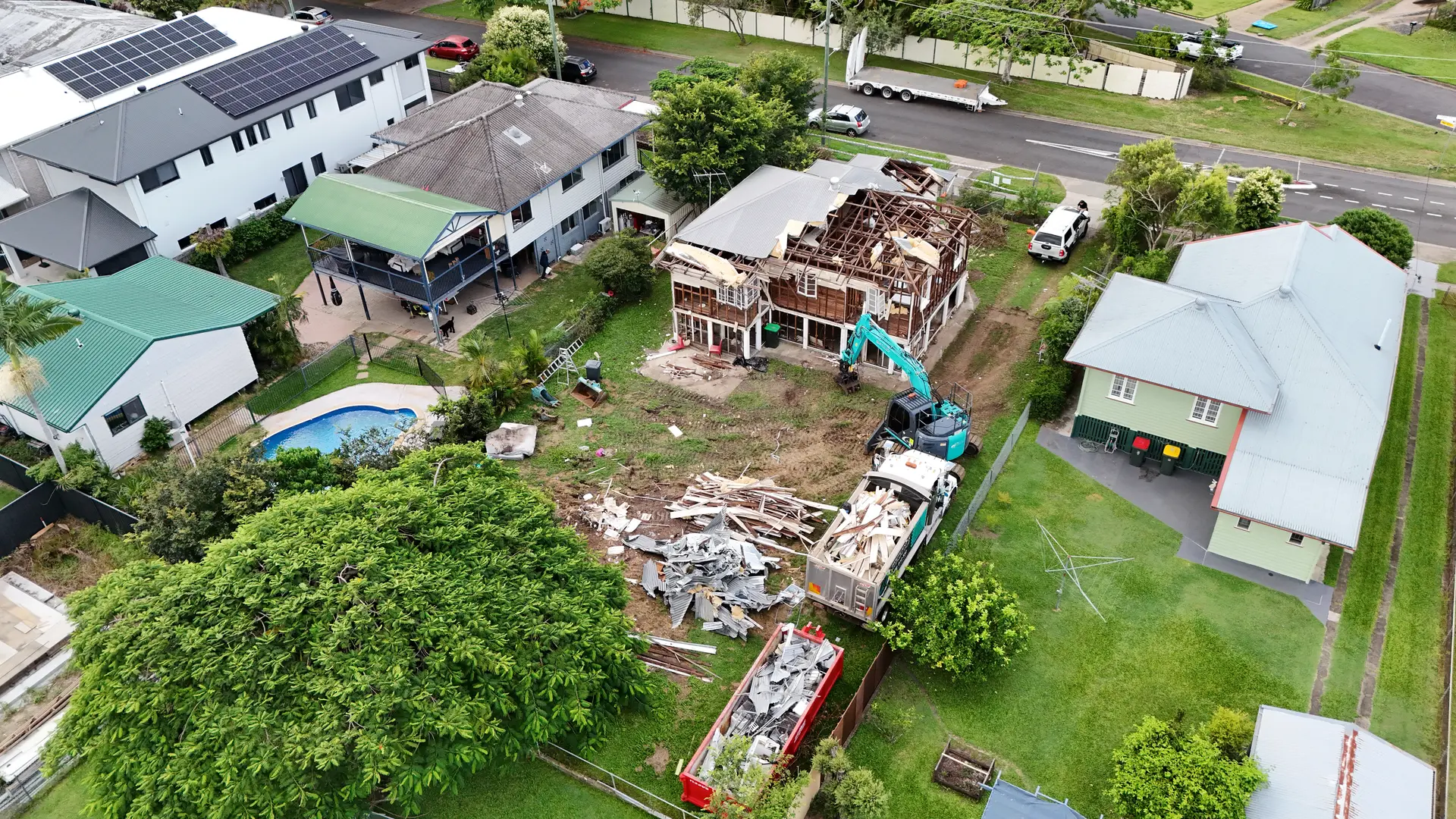
Asbestos does not stop at the building line. Fire debris, buried fill, broken fence sheeting and decades of fragments end up in the ground, and the ground is what the consultant has to validate before the site moves.
BrizPlant delineates, excavates and clears asbestos-impacted soil as one environmental remediation scope, working to the consultant’s validation plan with our own plant, under our Class A licence.
One Remediation Programme, Ground Up
Soil jobs fail in the gaps between the digger, the consultant and the carter. We close those gaps by running all three interfaces from one site supervisor.
Investigation Interface
We work to the environmental consultant’s delineation, test pits, sampling grids and stockpile assessment, and dig to the lines and depths the data supports.Controlled Excavation
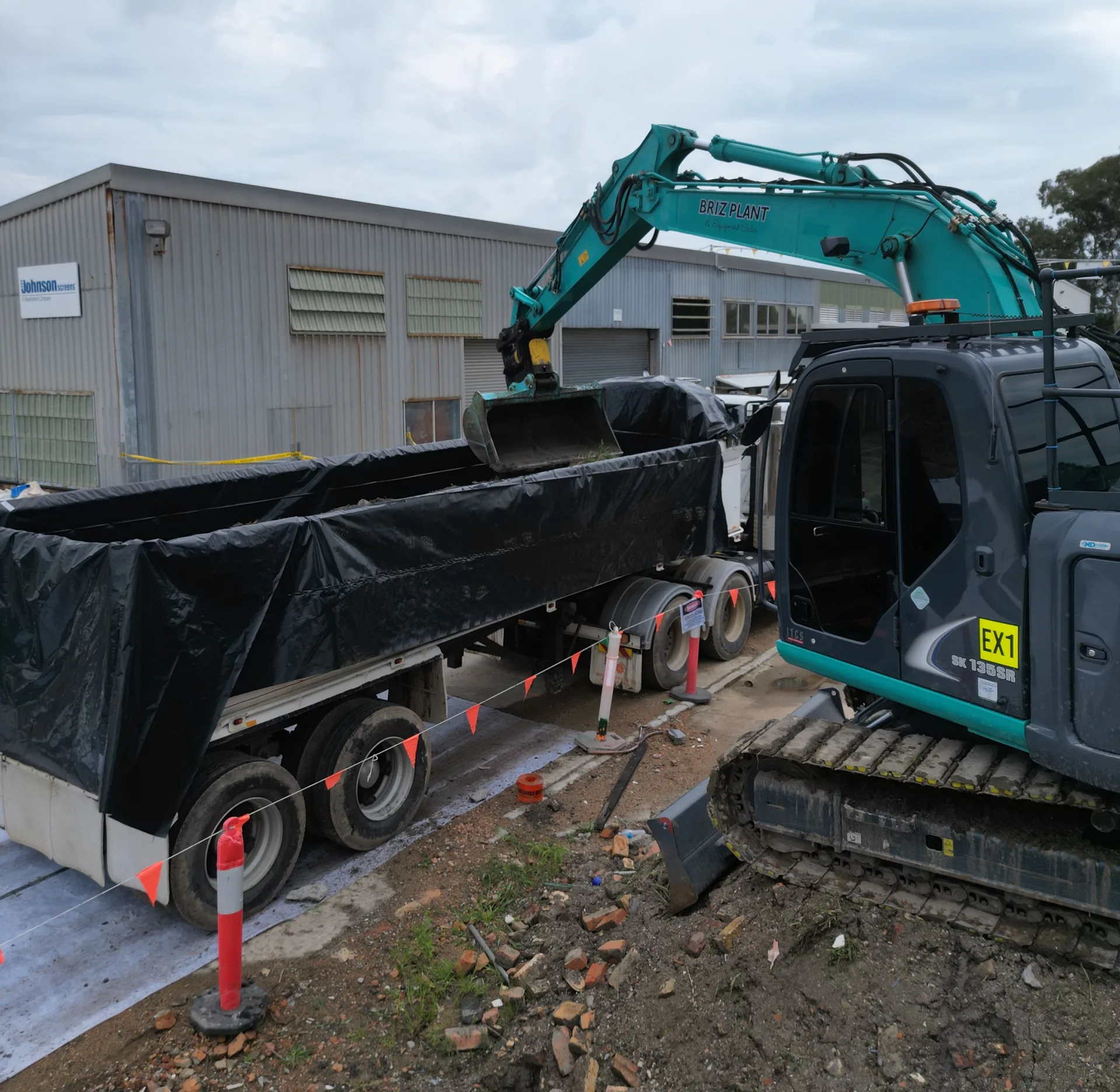
Impacted soil is excavated wet, handled once and loaded direct to lined trucks or placed on sealed stockpile pads, never left open to wind.Validation Support
Excavation is staged so the consultant can validate bases and walls as we go, keeping the hole open for days, not weeks.Classification & Disposal
Soil is classified before it moves, and travels with waste tracking to a facility licensed to accept it. Dockets return to the validation report.How Asbestos Ends Up in the Ground
Six patterns account for nearly every soil job we price.
Fire and demolition debris
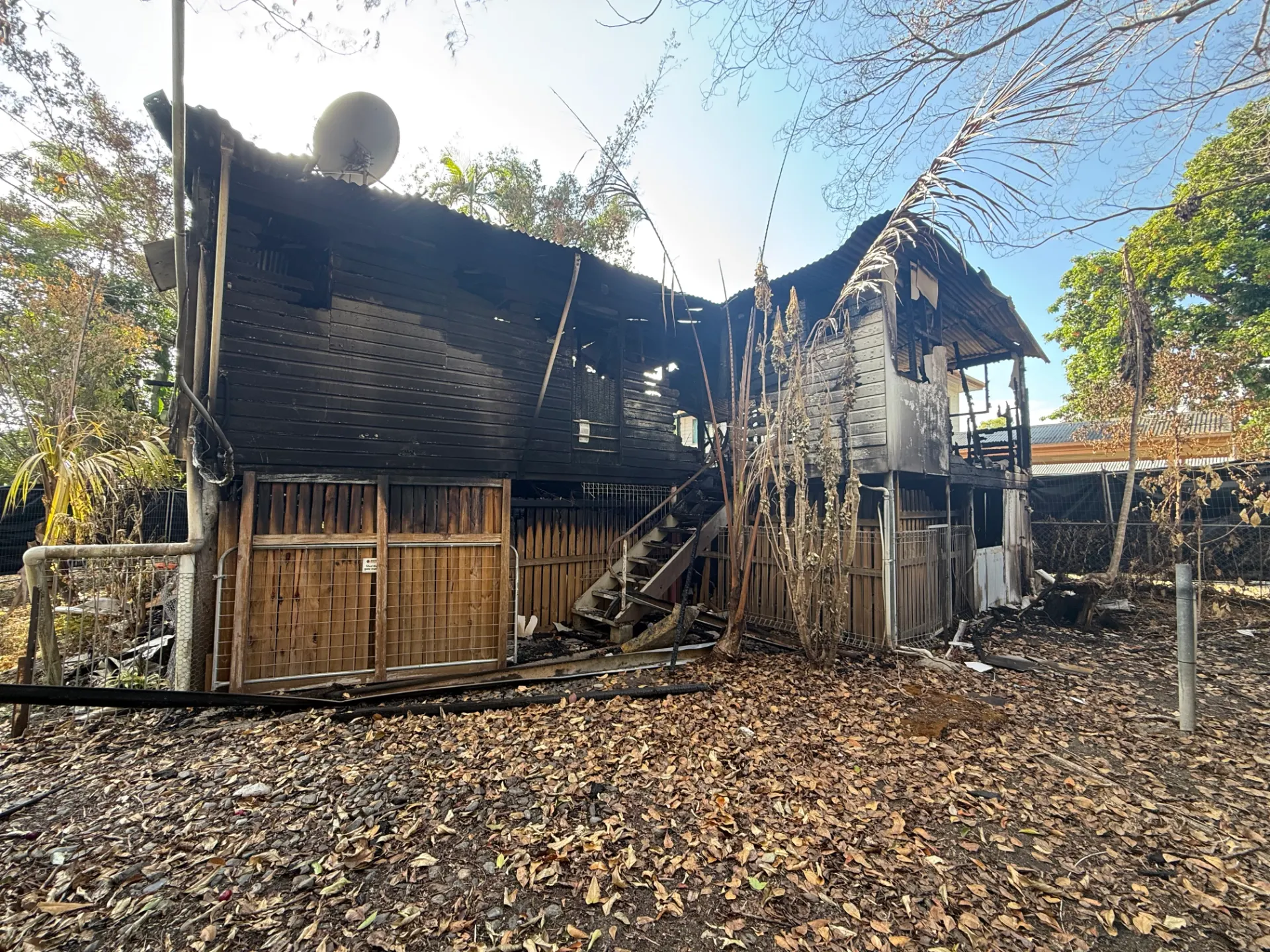
After a fire or an uncontrolled knockdown, fragments spread across the pad and into the topsoil. Almost every fire scope carries a soil tail.Historical fill
Uncontrolled fill from the decades when broken fibro was standard hardstand, found when the first bucket goes in.Fence lines & drip zones
Weathered super-six fencing and roof run-off shed fragments and fibre into the adjacent strip of ground.Buried waste
Sheets and offcuts buried on-property when disposal was informal. Common on farms, industrial yards and older schools.Redevelopment due diligence
Contamination identified in a Phase 2 assessment that must be remediated and validated before civil works start.Unexpected finds
Suspect material hit mid-earthworks. We stand up controls, get it assessed and keep the programme moving.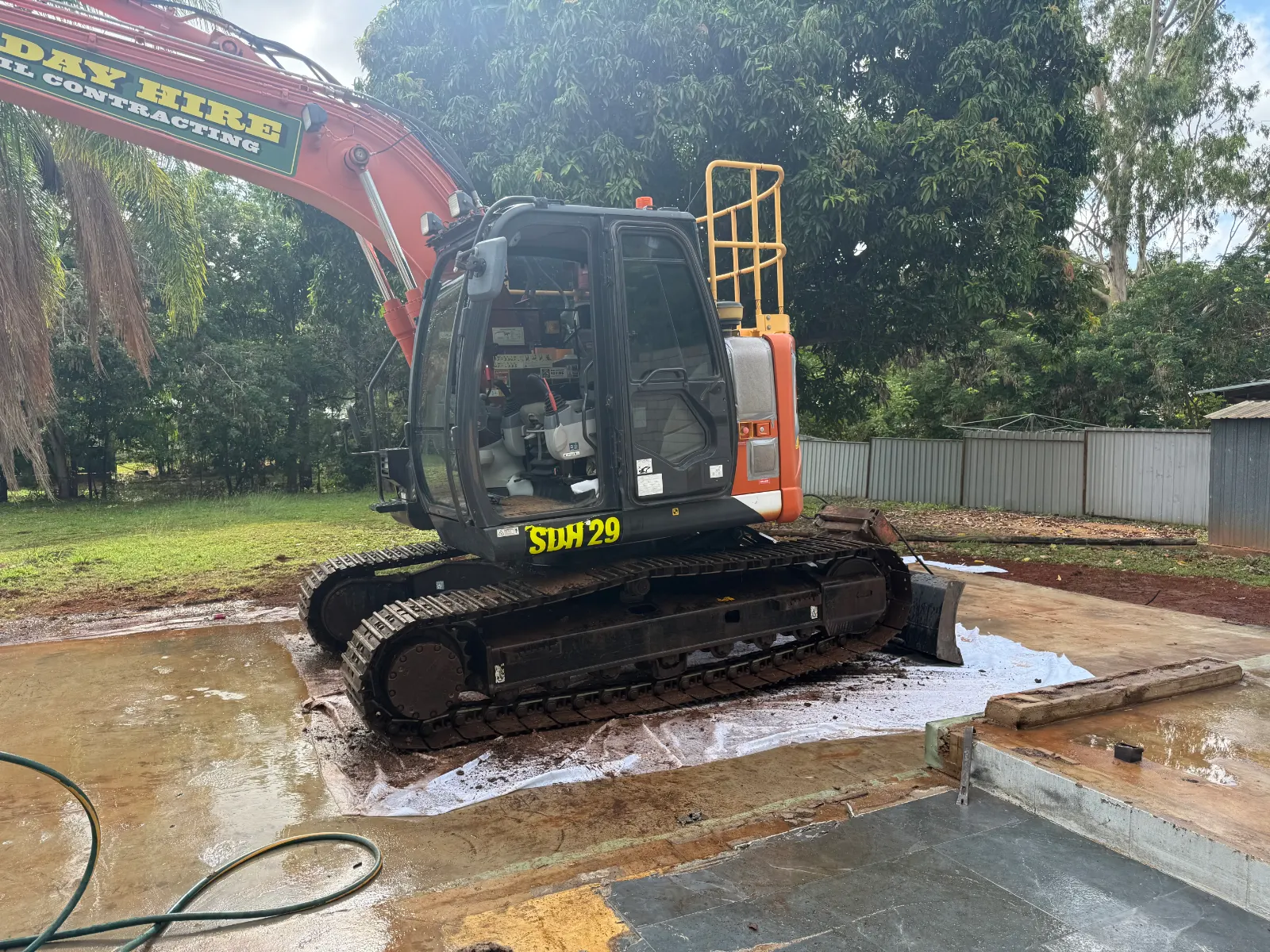
How a Soil Remediation Runs
Six stages run against the consultant’s validation plan, their data decides when the ground is clean; our job is to get there once, without rework.
Book an assessmentReview the data
Start from the site investigation, delineation, depths, classifications. Where there is no data yet, we bring the environmental consultant in first.Establish controls
Exclusion zones, suppression, decontamination and sealed stockpile areas set up before the first bucket of impacted material moves.Excavate & segregate
Dig to the delineated extent, keeping impacted and clean material strictly separated. Visual finds beyond the model are flagged, not buried.Validate as we go
The consultant samples bases and walls in stages behind the excavation. Chasing contamination further is a decision made on data, same day where possible.Cart & track
Classified soil travels in lined, sealed loads under waste tracking to a licensed facility. Clean material stays for reuse where validated.Reinstate & close out
Backfill with validated material, compact, grade and hand over, dockets, tracking records and the consultant’s validation in one pack.Remediation That Survives the Audit
A soil job is only finished when the paperwork proves the ground is clean. These are the rules the record is built on.
Asbestos in Soil FAQs
What owners and project managers ask when contamination first shows up.
Is all asbestos-impacted soil regulated waste?
Once soil is classified as asbestos-contaminated it travels as Category 2 regulated waste to a licensed facility. What can stay on site is a consultant call, made on sampling data, the classification decides the cost, which is why delineation is worth paying for.
Who signs off that the ground is clean?
Validation sign-off sits with the environmental consultant appointed to the project, which is what makes it defensible. We stage the dig around their hold points so validation happens while the machine is still on site, instead of demobilising and coming back.
We hit suspect material mid-earthworks. What now?
Stop work in that zone, keep it wet and keep plant out. We can usually stand up controls and an assessment pathway within a day or two, then either clear the find or price the remediation before the delay compounds.
Scopes That Usually Come With It
Contamination in the ground, or a report that says there might be?
Send the site investigation if you have one. We will price the remediation against the data and coordinate the validation interface.